Skip to content
Pilgrim Mill Construction
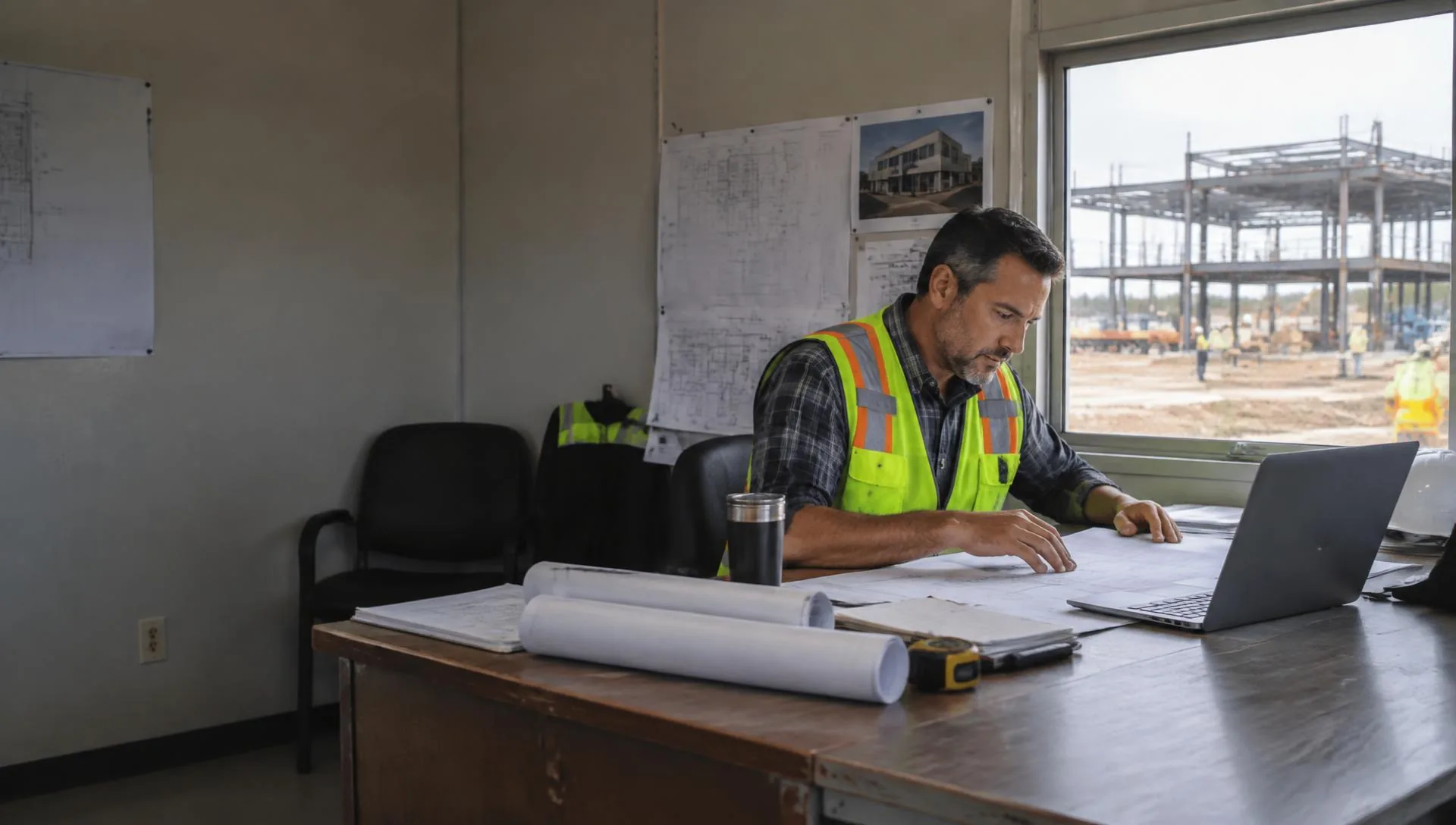
Construction project manager reviewing building plans and project information in a jobsite office.

Construction Project Management

Construction Project Management Built Around Transparency

From preconstruction through project closeout, Pilgrim Mill Construction takes a structured approach to budgets, schedules, documentation, communication and accountability. Supported by ConstructVue, our process keeps project information connected, decisions documented and clients informed.

The owner’s perspective

What Is Construction Project Management?

Construction project management is the coordinated process of planning, organizing, documenting, monitoring and managing the people, resources, costs, schedules and decisions needed to deliver a construction project.

For a property owner, developer, business or residential client, it means more than seeing work on site. It means understanding responsibilities, knowing which information is current, seeing budget and schedule considerations, and participating in decisions with the right context.

Pilgrim Mill Construction connects early planning with active construction coordination. Organized documentation, clearer communication and recorded changes help identify potential issues earlier and support informed owner participation through handover.

Visibility that matters

A Clearer View of Your Construction Project

You should understand what is happening, what decisions are needed, what has changed and what comes next.

Budget Visibility

Organized budgets, financial commitments, approved changes and forecasts help teams evaluate potential financial impacts. An estimate, an approved budget, a committed cost and a projected final cost are different measures—not interchangeable totals.

Schedule Awareness

Milestones, work dependencies, procurement readiness and field progress provide context for the schedule. Reviewing long-lead materials and upcoming owner decisions helps identify concerns before they affect the next phase.

Documented Decisions

Approvals, clarifications, significant decisions and project changes need a traceable record. Connecting the decision to its scope, supporting documents and responsible parties helps avoid conflicting recollections.

Project Communication

Organized reporting and coordination give conversations a common starting point: what is complete, what needs attention and what happens next. Important updates should connect to the underlying project information.

Compliance Coordination

Contractor documentation, insurance records, permit requirements and inspection follow-up can be organized and monitored. Documentation supports coordination; the responsible professionals and authorities still determine applicable requirements and approvals.

Accountability

Assigned responsibilities, issue tracking and documented follow-up make it clearer who needs to act and when. A useful project record tracks unresolved items as well as completed work.

A structured process supports better decisions. It does not guarantee completion dates, budget outcomes, regulatory compliance or the elimination of construction risks.

Supported by ConstructVue

Technology That Connects the Construction Process

Construction generates decisions, documents, communications and financial records that need to stay connected. ConstructVue is a commercial construction management platform supporting Pilgrim Mill Construction’s structured approach to planning, procurement, project controls, field activity and closeout.

A shared project record helps reduce fragmented information and gives the team a more consistent basis for coordination. Its value is not simply another dashboard—it is the ability to relate an update to the scope, decision or document behind it.

Procurement with a clearer scope
ConstructVue supports proposal comparison, scope-gap review, clarifications and award documentation. For owners, this provides a more useful basis for evaluating what each proposal includes—not simply choosing the lowest total.
Connected financial controls
Budgets, commitments, forecasts, changes and payment applications share a connected financial record. Approved changes can flow through the controls, helping teams trace cost exposure to its source and distinguish pending decisions from approved commitments.
Field progress with supporting evidence
Daily reports, progress records and site photos connect field activity to work packages. Inspection records and tracked issues support assigned follow-up rather than leaving observations in disconnected messages.
Technical coordination and document history
Drawings, specifications, submittals, requests for information, revisions and approvals are supported within the connected project record. Teams can relate a clarification to the documents and work it affects.
Contractor readiness and compliance records
The platform supports versioned insurance certificates, W-9s and license records linked to vendors and projects, with expiration tracking and mobilization readiness. These records inform coordination; they do not establish legal compliance by themselves.
Project intelligence through closeout
Project-health views connect financial, procurement and field information to supporting records. Closeout remains part of that lifecycle, helping keep final financial records and construction documentation connected instead of treating handover as a separate filing exercise.
Learn more about the ConstructVue construction management platform.

Conceptual workflow · Not a product screenshot

One Project Record. Connected Decisions.

An illustrative view of how project information can stay connected—without displaying client records or example financial results.

  1. 01

    Define & Commit

    • Compare proposals
    • Clarify and document scope
    • Record awards and commitments

    Scope traceability — the financial commitment has a documented starting point.

  2. 02

    Coordinate & Review

    • Connect budget and change records
    • Document field progress and issues
    • Review readiness and owner decisions

    Budget and progress context — decisions can be reviewed alongside the records they affect.

  3. 03

    Resolve & Handover

    • Follow through on open items
    • Reconcile final financial records
    • Organize required closeout documents

    An organized handover — completion is supported by follow-up and connected records.

From first conversation to handover

How We Manage Your Construction Project

A connected sequence, with financial review, communication and documented decisions continuing throughout the work.

  1. 01

    Project Discovery and Preconstruction

    We begin with your goals, intended use, scope and property. Site considerations, feasibility, budget expectations, design coordination and preliminary scheduling establish the questions to resolve before construction commitments are made.

    Explore preconstruction planning

    Information to keep connected

    • Scope priorities and assumptions
    • Site and design considerations
    • Budget expectations and preliminary milestones
  2. 02

    Procurement and Project Preparation

    Proposal evaluation and scope clarification help establish who is responsible for each part of the work. Contractor coordination, procurement planning, documentation and readiness reviews connect the agreed scope to the work ahead.

    Information to keep connected

    • Proposal comparisons and scope clarifications
    • Awards, commitments and responsibilities
    • Long-lead items and mobilization requirements
  3. 03

    Construction and Field Coordination

    During construction, trade coordination, field reporting, progress documentation and technical clarification keep office planning connected to actual conditions. Inspections and issues need responsible parties and recorded follow-up, not simply a list of observations.

    Information to keep connected

    • Daily activity and progress records
    • RFIs, submittals and current drawings
    • Inspections, issues and next actions
  4. 04

    Cost, Change and Owner Decisions

    Financial review and communication continue throughout the work. When a change arises, the team needs to understand the reason, scope, potential cost and schedule effect, and the approval required under the agreement. Pending changes should remain distinguishable from approved work.

    Information to keep connected

    • Budget, commitments and forecasts
    • Change proposals and approval records
    • Payment review and owner decision follow-up
  5. 05

    Completion and Project Closeout

    Closeout brings together the walkthrough, punch-list follow-up, applicable final inspections and the documents required by the agreement. Warranty information, operating documents and record drawings are coordinated where applicable so owners have an organized handover.

    Information to keep connected

    • Punch-list responsibilities and completion
    • Final approvals and financial reconciliation
    • Applicable warranties and handover documents

Right-sized for your project

Commercial Structure. Project-Specific Application.

ConstructVue is positioned primarily for commercial general contractors, owners and developers. A complex commercial project may need broader procurement, financial and field controls than a smaller residential renovation.

Our management process and applicable technology are tailored to scope, complexity and contractual requirements. Reporting frequency, document deliverables, responsibilities and any client access are established for the individual project.

Start with the questions that matter.

  • Who is my point of contact, and how will updates be shared?
  • Which decisions need my approval, and by when?
  • How will pending changes and potential cost impacts be explained?
  • What information and documents will I receive at handover?
Discuss Your Project

Owner questions

Construction Management Questions, Answered

What does construction project management include?

It includes planning and coordinating scope, people, procurement, costs, schedules, documents, field activities and decisions through closeout. The project agreement defines the team's responsibilities; designers, specialty contractors, owners and authorities retain their respective roles.

How will I know what is happening on my project?

A useful update explains completed work, upcoming milestones, budget and change considerations, open issues and decisions needed from you. Reporting format, frequency, points of contact and any technology access should be agreed for your project—not assumed from a software feature list.

Will I receive a ConstructVue login or a live dashboard?

Client access, reporting formats and the workflows used depend on the project scope, permissions and contractual requirements. This page does not promise a client portal or direct software access. Those arrangements are discussed during project planning.

How are construction budgets and changes managed?

The process separates the original budget, commitments, approved changes, pending change exposure, payments and forecast final cost. A proposed change needs its scope, cost and potential schedule effect documented, with approvals handled according to the project agreement.

Does software guarantee my project stays on budget or schedule?

No. Connected information can support earlier recognition of issues and better-informed decisions, but it cannot eliminate weather, site conditions, supply constraints, owner changes or other construction risks. Budgets and schedules still require active management.

How are permits, inspections and contractor documents coordinated?

Applicable requirements are identified for the project's jurisdiction and scope. Permit information, inspection records, contractor documentation and follow-up are organized around responsible parties. Software supports tracking; it does not replace regulatory approval, professional judgment or verification of insurance and licenses.

Is this approach available for residential construction?

Structured planning, documented decisions and communication apply to residential work as well as commercial construction. ConstructVue is primarily a commercial platform; applicable tools and reporting are tailored to a home's scope and complexity. Every residential project does not automatically receive enterprise-level workflows.

What project documents should owners expect at closeout?

The agreement determines the handover requirements. Depending on scope, they may include punch-list completion records, applicable final approvals, warranties, operating and maintenance information, record drawings and final financial documents. Establish the required deliverables early.

Start the conversation

Let’s Establish a Clear Plan for Your Project.

Tell us about your property, goals and stage of planning. We can discuss the coordination, reporting and decisions your project may need.

Have more details? Use our guided intake instead.

Start Your Project Right

Tell us about your project

Project location
Start Your Project